Aston Martin has long been synonymous with cinematic elegance, high-speed pursuits, and British sophistication. At the heart of this reputation lies its decades-spanning association with the James Bond franchise, where the marque became a symbol of suave espionage. Yet, beyond 007’s globe-trotting adventures, Aston Martin cars have also carved out a distinctive presence in a range of other films, from blockbusters to high-style dramas. This article explores how Aston Martin became a silver-screen icon, starting with its iconic bond with Bond and branching into its broader filmography.
The Birth of a Cinematic Legend: Aston Martin and James Bond
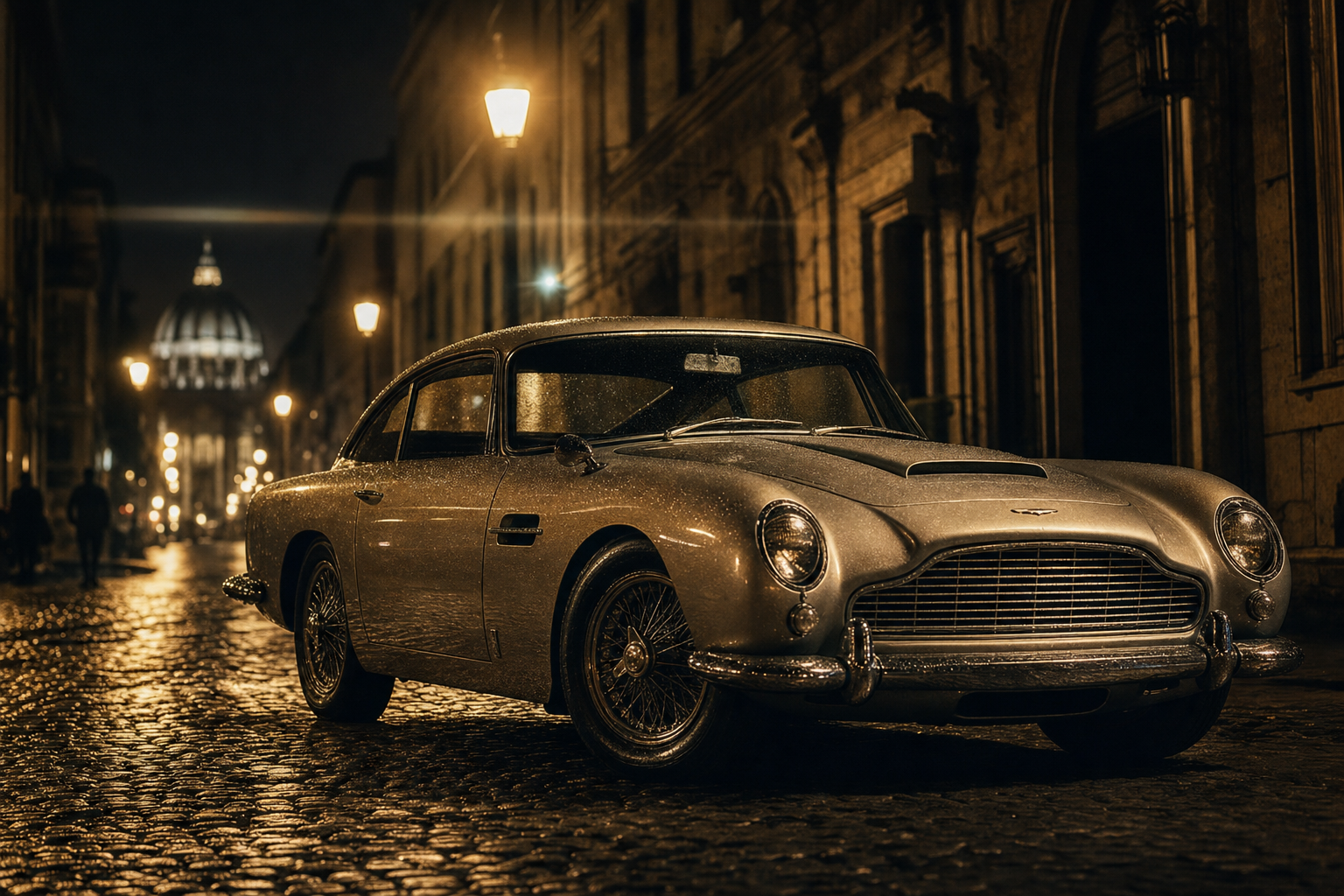
Aston Martin’s most enduring cinematic partnership began in 1964 with the release of Goldfinger, the third film in the James Bond franchise. Sean Connery’s Bond drove the now-legendary Aston Martin DB5, equipped with machine guns, ejector seats, and tire slashers—a groundbreaking depiction of a car as more than a mode of transport, but a high-tech weapon. The DB5’s appearance marked the beginning of a cultural moment, making both Bond and Aston Martin household names.
Over the years, the DB5 returned in multiple Bond films, including:
- Thunderball (1965)
- GoldenEye (1995)
- Tomorrow Never Dies (1997)
- Casino Royale (2006)
- Skyfall (2012)
- Spectre (2015)
- No Time to Die (2021)
Each appearance refreshed the car’s iconic status, culminating in its emotional role in No Time to Die, where it served not only as a tool of action but as a symbol of Bond’s past and identity.
Aston Martin also expanded its cinematic presence within the Bond universe through other models:
- V8 Vantage in The Living Daylights (1987)
- Vanquish in Die Another Day (2002)
- DBS V12 in Casino Royale and Quantum of Solace (2008)
- DB10 (a bespoke model made exclusively for Spectre)
- Valhalla, a concept car, teased in No Time to Die
Bond made Aston Martin more than a car brand—it became part of a lifestyle that blended danger, style, and British excellence.
Beyond Bond: Aston Martins in Other Films
While James Bond gave Aston Martin its most iconic film roles, the marque has also graced other cinematic landscapes. These appearances underscore the brand’s versatility—able to be both a symbol of class and a tool of speed.
The Italian Job (1969)
Although overshadowed by the Mini Coopers, an Aston Martin DB4 Convertible appears early in the film, driven by Michael Caine’s character. It’s stylish, classic, and a nod to Britain’s automotive excellence.
Fast & Furious Presents: Hobbs & Shaw (2019)
An Aston Martin DB11 makes an appearance in this action spin-off, driven by Jason Statham’s character Deckard Shaw. The car matches Shaw’s polished yet deadly persona, reinforcing Aston Martin’s association with suave danger.
Cars 2 (2011)
In Pixar’s animated film, the character Finn McMissile is a clear homage to the Bond-Aston archetype, styled after classic Aston Martin lines—specifically the DB5. Voiced by Michael Caine, McMissile brings Aston Martin’s cinematic DNA to a younger audience with charm and humor.
Johnny English Strikes Again (2018)
Rowan Atkinson’s bumbling spy drives an Aston Martin V8 Vantage, echoing both the Bond connection and parodying it with typical British satire. The film leverages Aston Martin’s image to lampoon the spy genre while celebrating its aesthetic.
The Transporter Refueled (2015)
Although known for Audi and BMW cars, this reboot features an Aston Martin (likely a Vantage), briefly used in a chase sequence to emphasize high performance and continental flair.
The November Man (2014)
Pierce Brosnan, a former Bond himself, drives an Aston Martin V8 Vantage in this espionage thriller. The car choice was a clear wink to his Bond past and served to echo the themes of high-stakes international intrigue.
Why Aston Martin?
Filmmakers return to Aston Martin for a number of reasons:
- Aesthetic Elegance – With sculpted lines and understated aggression, Aston Martins photograph beautifully and exude presence on screen.
- Cultural Cachet – Thanks to Bond, these cars carry a built-in narrative of espionage, class, and action.
- British Heritage – Often used in films that emphasize Britishness, Aston Martins serve as four-wheeled ambassadors of national identity.
- Exclusivity and Luxury – Aston Martins aren’t mass-market. Their rarity underscores a character’s elite status or taste.
The Future: Aston Martin and Evolving Film Trends
As cinema shifts toward electric vehicles and environmentally conscious narratives, Aston Martin is poised to evolve on-screen. The company plans to launch a line of EVs by the late 2020s, which may soon become the next generation of cinematic icons.
In addition, their involvement in gaming franchises like Gran Turismo and in luxury branding efforts with films like Tenet—where although not directly featured, their design language influences the aesthetics—suggests Aston Martin will continue to intersect with visual storytelling.
Conclusion
Aston Martin’s role in film is more than just automotive product placement—it is a storytelling device in itself. From the bullet-riddled chase scenes of Goldfinger to the sleek stylings of Hobbs & Shaw, Aston Martin has established itself as a symbol of refined adrenaline. While James Bond will always be its cinematic godfather, the brand’s future in film promises to be as dynamic and compelling as its cars themselves.